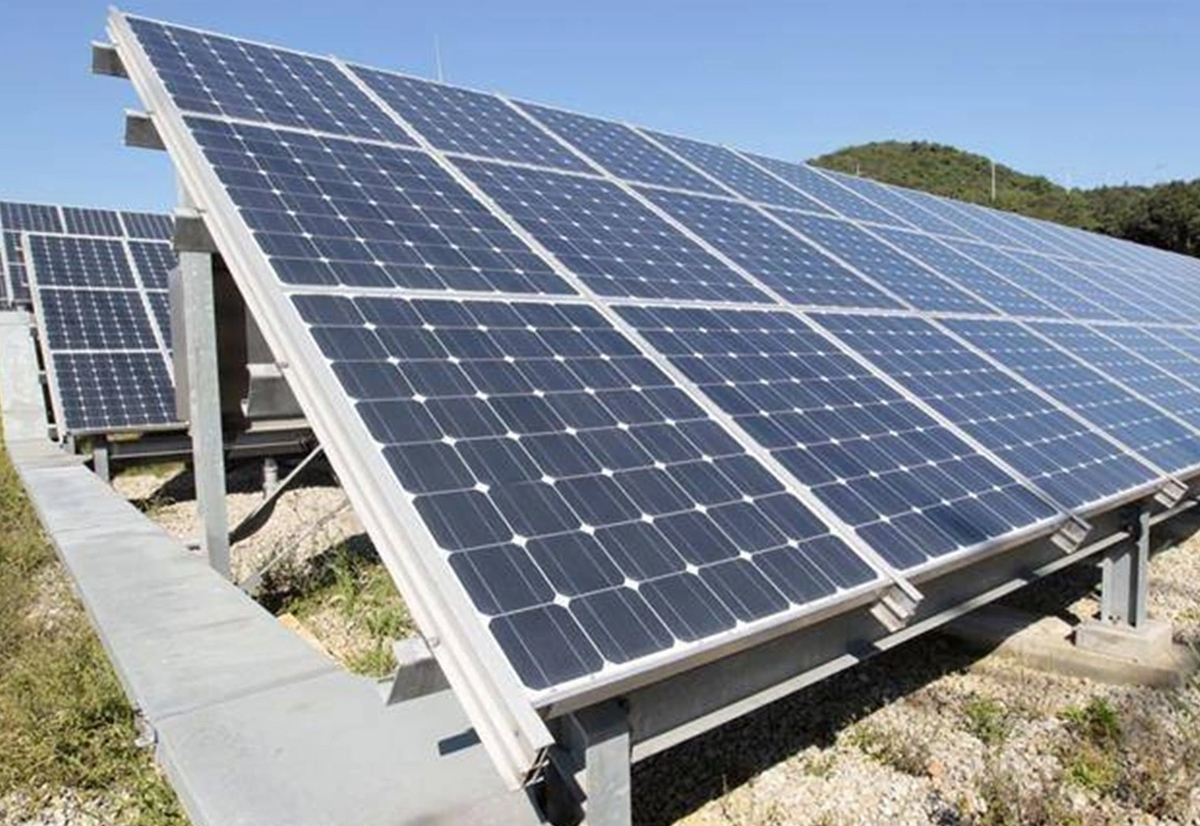
India’s solar capacity has grown to 156 GW; however, despite agriculture being central to livelihoods, it has remained largely excluded. Grid-connected solar adoption under PM KUSUM remains weak in eastern states like Odisha, where agriculture faces structural challenges such as low incomes, fragmented holdings, climate risks, and energy deficits.
Agrivoltaics addresses land-use trade-offs by enabling simultaneous crop cultivation and solar energy production on the same land. The “solar as a third crop” approach can significantly increase farm-level income, promote climate-smart agriculture, and generate reliable power for both local use and sale to the grid.
The project aims to focus on the following areas:
i) Demonstrating an economically viable and scalable APV pilot tailored to smallholder contexts, using a farmer collective model;
ii) Installing a 1 MW APV plant owned and managed by a farmer institution to generate both farm-based and solar-based incomes;
iii) Strengthening farmer-producer organisations (FPOs) through asset creation, skill development, and income diversification opportunities; and
iv) Testing and documenting the farmer collective–owned business and Power Purchase Agreement (PPA) model, under which farmers, as a collective, sell generated solar power directly to DISCOMs at a pre-agreed tariff.
The insights will inform policy and create clear pathways for scaling APV across eastern India.