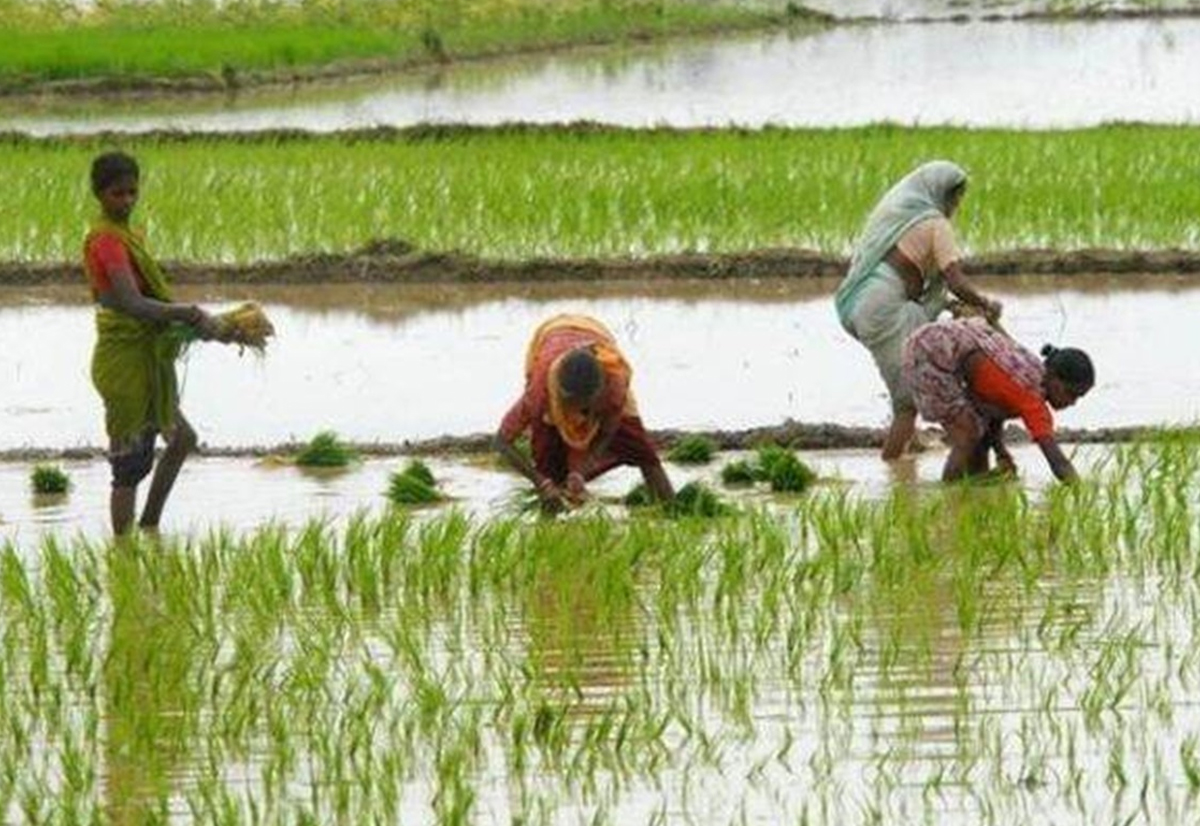
Rice cultivation in Uttar Pradesh spans approximately 7.35 million but is dominated by water-intensive, puddled transplanted systems. These practices generate 21 Mt CO2 eq annually-accounting for 14 per cent of the country’s rice emissions . The livestock sector presents a parallel sustainability challenge, which emitts over 41 Mt CO₂eq annually—accounting for nearly 16 per cent of national livestock emissions (Singh and Gulati 2026). This is driven by a large bovine population and the predominance of low-productivity systems. Indigenous and non-descript cattle yield only 3.78 kg of milk per day on average, compared to 8.44 kg for crossbred/exotic cattle.
With the focus on Uttar Pradesh, the study will support the transitioning from conventional puddled rice cultivation to sustainable rice cultivation (e.g DSR, optimal fertiliser use) while ensuring similar or higher crop yields and farmers profitability. The study will also identify climate-smart practices in dairy such as scientific feeding, and low-carbon processing that can be integrated into mainstream dairy systems and supported through policy, market incentives, and delivery mechanisms.