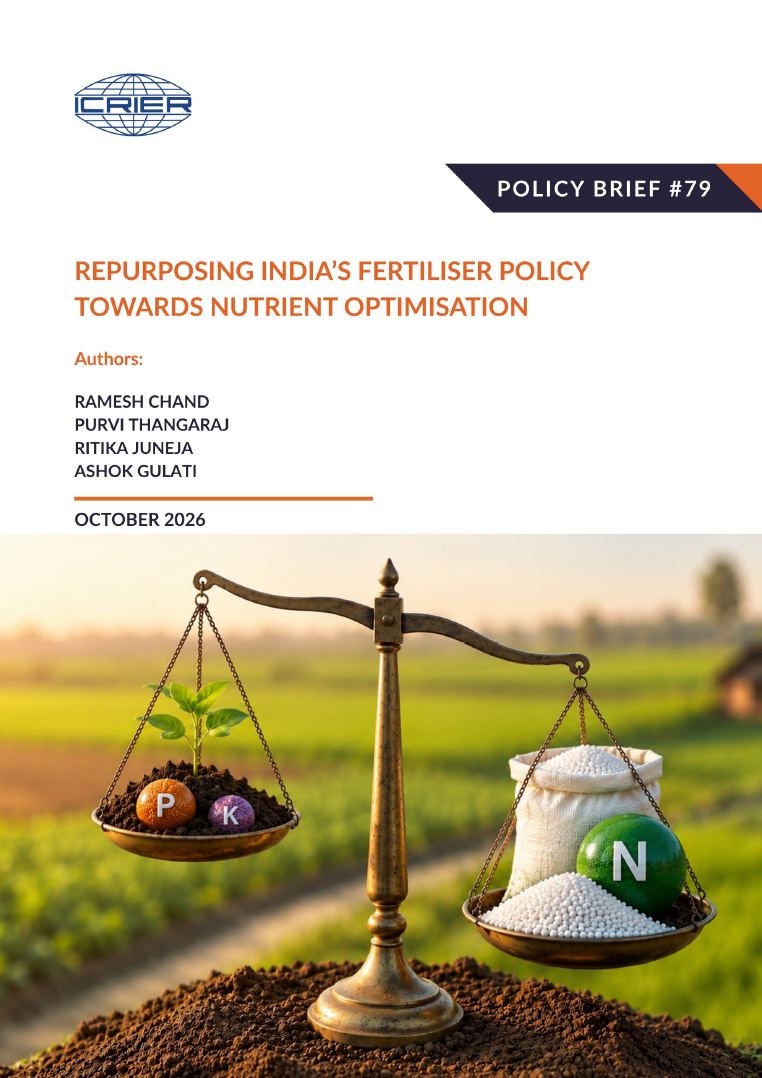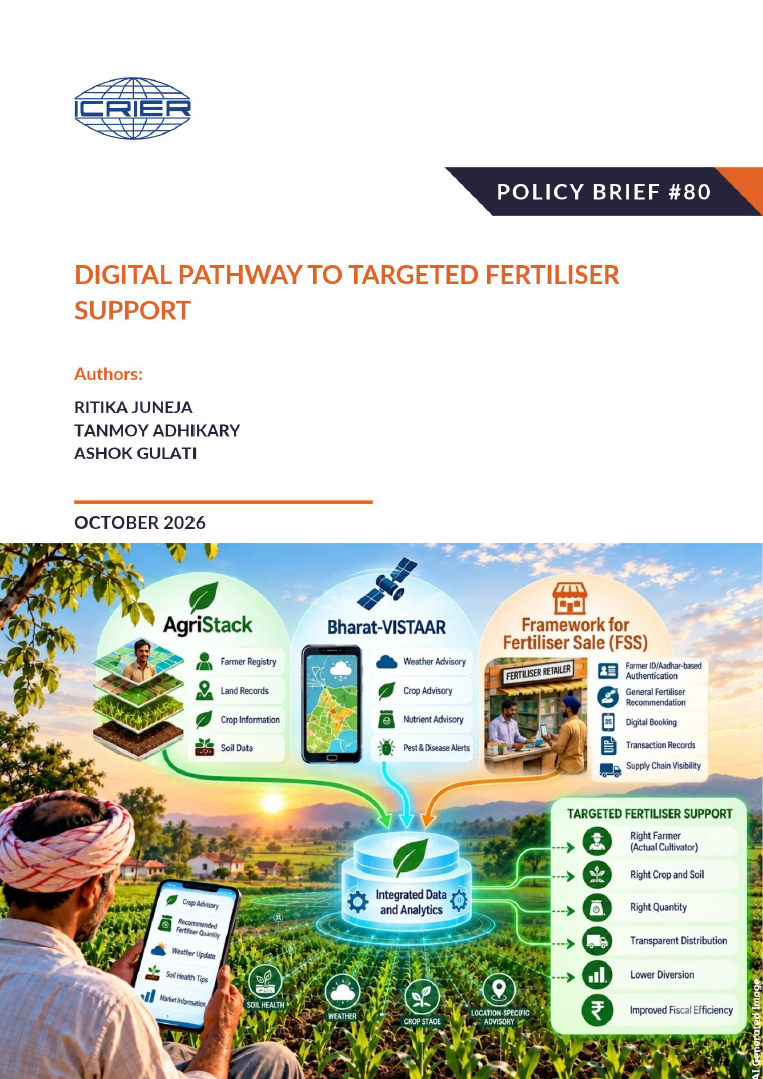
India spends substantial public funds to keep fertilisers affordable for farmers. However, the current subsidy system does not fully account for differences in crop requirements, soil conditions and cultivated area. Although fertiliser sales are recorded through Aadhaar-authenticated Point of Sale (PoS) devices, authentication verifies the buyer’s identity, not necessarily whether they cultivate the land or even whether they atleast own lands for which the fertiliser is purchased or whether the quantity purchased matches the farm’s actual requirements. Thus, under the existing no-denial system, it is very difficult if not impossible to ensure that subsidised fertilisers reach intended agricultural uses and can leave scope for diversion to non-agricultural uses. The problem is compounded by the exceptionally low, administratively fixed price of urea relative to its cost and other fertilisers, which encourages excessive use, distorts the nutrient mix and adds to the government’s subsidy burden.
AgriStack, the Government of India’s digital public infrastructure (DPI) for agriculture, provides an opportunity to address these gaps by linking farmer identity with land records and season-specific crop information. Its Farmer Registry and Digital Crop Survey (DCS) and in future soil health linked to each land id can help establish a more reliable basis for assessing fertiliser requirements and targeting support according to cultivated area soil health and cropping patterns. However, translating this potential into better fertiliser use requires moving beyond digital authentication and sales tracking towards a system that connects fertiliser distribution with actual cultivation needs. It also needs to be ensured that actual, tenants / sharecroppers do not get excluded.
This policy brief examines how AgriStack and other digital tools can enable more targeted, transparent and accountable fertiliser support. It explores how Bharat-VISTAAR can complement this infrastructure by providing farmers with localised, crop-specific advice on nutrient management, soil health and fertiliser application. State-level initiatives, particularly Madhya Pradesh’s e-Vikas system, illustrate how farmer registration, land and crop data, and digital distribution can be integrated to improve fertiliser allocation and delivery. Together, these innovations could better align public expenditure with farmers’ needs, promote balanced fertilisation and reduce diversion and inefficient use. However, reliably identifying actual cultivators, including tenant farmers and sharecroppers who may not be reflected in land records, remains a critical challenge. Bridging this gap is essential to enabling a transition towards Direct Cash Transfer (DCT) of fertiliser subsidies, a much-needed reform to make fertiliser support more targeted and accountable.